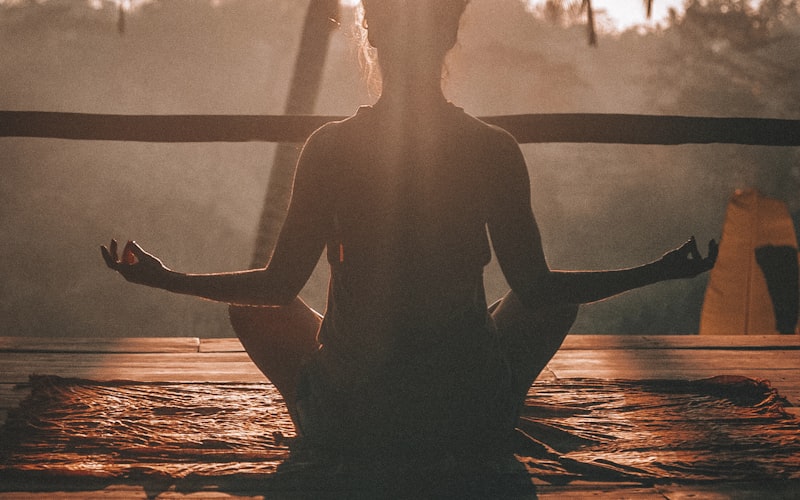
Breath & Control Session
This 12-minute session is a sanctuary of intentional movement. Led entirely by breath, every exercise follows a precise inhale-exhale pattern that downshifts your nervous system while building genuine core strength. You will learn to find power in stillness, control in softness, and stability in calm. This session is ideal for high-stress days, evening wind-downs, or any time your body needs to move without being pushed into fight-or-flight mode. Strength does not require aggression — and this session proves it.
Session Breakdown
-
1Breath Establishment (2 min) Constructive rest position with diaphragmatic breathing. Establish a 4-count inhale, 6-count exhale pattern. Lateral thoracic rib expansion cues to awaken the deep core connection through breath alone.
-
2Pelvic Floor & Core Connection (2 min) Gentle pelvic tilts synchronized with exhale, progressing to pelvic clock movements. Connect the breath to the deep core canister — diaphragm, transversus abdominis, multifidus, and pelvic floor working in harmony.
-
3Slow-Tempo Bridge Series (3 min) Articulating bridge with 4-count lift, 4-count hold, 4-count lower. Progresses to bridge with marching. Every movement follows the breath — no rushing, no forcing, just deliberate control through full spinal range.
-
4Supine Core Flow (2 min) Dead bug variations with extended exhale holds. Toe taps and heel slides maintaining neutral pelvis. Focus on the deep stabilizers rather than surface flexors — building strength the nervous system trusts.
-
5Side-Lying Breath & Stability (2 min) Side-lying rib breathing with gentle clamshell. Thread-the-needle thoracic rotation. These exercises open the chest and ribs while building quiet lateral stability through the hip complex.
-
6Rest & Integration (1 min) Constructive rest or savasana with body scan. Box breathing pattern (4-4-4-4) to fully activate the parasympathetic response. Close with gratitude for what your body just accomplished in stillness.
Session Benefits
Nervous System Regulation
The extended exhale pattern activates the vagus nerve and shifts your body from sympathetic (fight-or-flight) to parasympathetic (rest-and-restore) state. You leave calmer, clearer, and more grounded than when you started.
Deep Core Activation
Breath-led movement bypasses the surface muscles and activates the deep core canister — the diaphragm, transversus abdominis, and pelvic floor — building the foundation that all other strength depends on.
Stress Resilience
Regular practice of breath-led sessions trains your nervous system to handle stress more efficiently. You build a larger window of tolerance, meaning everyday pressures feel more manageable over time.
Find Your Calm Strength
Strength does not always mean intensity. Sometimes the most powerful thing you can do is slow down, breathe, and move with intention.
Frequently Asked Questions
What is Calm Strength Pilates?
Calm Strength is a 12-minute breath-led Pilates session designed to build strength through slow, controlled movements while simultaneously regulating the nervous system. It combines diaphragmatic breathing with sustained holds and gentle loading.
Can Calm Strength Pilates reduce anxiety?
Yes. Calm Strength sessions use diaphragmatic breathing patterns and slow-tempo movement that activate the parasympathetic nervous system, measurably reducing cortisol levels and promoting a calm, focused state within the first 5 minutes.
Is Calm Strength good for evening workouts?
Calm Strength is ideal for evening practice. The breath-led approach and gentle intensity help transition the nervous system from daytime alertness to restorative mode, supporting better sleep quality without overstimulating the body.
How often should I do Calm Strength sessions?
For best results, practice Calm Strength 3-5 times per week. It pairs well with higher-intensity sessions on alternate days, creating a balanced weekly training rhythm that prevents burnout and supports recovery.