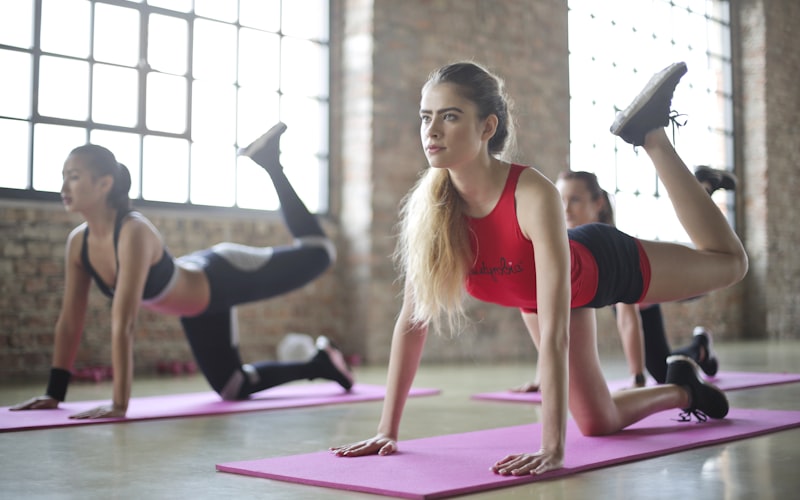
Pelvic Floor Smart Flow
The pelvic floor is the most misunderstood muscle group in the body. Most women are told to "do Kegels" — but that is only half the story. A truly functional pelvic floor needs to contract and release, to lift and let go, to coordinate with the breath and integrate with the deep core. This 10-minute session teaches all of it. You will learn to find your pelvic floor with precision, activate it on the exhale, release it fully on the inhale, and integrate it with functional movements that translate to real life. Whether you are postpartum, perimenopausal, or simply want to build a smarter foundation, this session gives you the tools your body needs.
Session Breakdown
-
1Pelvic Floor Awareness (2 min) Constructive rest with pillow under hips. Guided imagery to locate and connect with the pelvic floor muscles. Learn the "elevator" cue — gently lifting from the base to the first floor on exhale, and fully releasing on inhale. Establish the breath-pelvic floor rhythm.
-
2Activation & Release Cycles (2 min) Pelvic floor contraction on exhale with 3-second hold, full release on inhale with 3-second relaxation. Progress to quick-flick contractions (1-second on, 1-second off). The release phase is equally important — a pelvic floor that only clenches cannot function optimally.
-
3Bridge with Pelvic Floor Integration (2 min) Exhale to activate pelvic floor and lift into bridge. Inhale to hold. Exhale to lower with control, maintaining pelvic floor engagement. Progress to bridge with heel slides, adding a functional challenge while keeping the pelvic floor connected to the movement.
-
4Core-Pelvic Floor Connection (2 min) Toe taps with pelvic floor engagement on exhale. Gentle dead bug variations coordinating pelvic floor lift with limb movement. These exercises teach the pelvic floor to work as part of the deep core canister — not in isolation, but in coordination with every breath and movement.
-
5Functional Integration & Release (2 min) Sit-to-stand with pelvic floor engagement practice. Deep squat hold with pelvic floor release (lengthening). Finish with child's pose breathing into the pelvic floor — feeling it expand and release with each breath. Complete relaxation and integration to close.
Session Benefits
Beyond Kegels
Traditional Kegel instruction focuses only on contraction. This session teaches the full pelvic floor cycle — activation, hold, release, and relaxation — which is what the research shows actually improves pelvic floor function and reduces symptoms.
Breath Integration
The pelvic floor and diaphragm move together — when you inhale, both descend; when you exhale, both lift. This session teaches that natural coordination, replacing the holding patterns that cause pelvic floor dysfunction in the first place.
Life-Stage Support
Whether you are postpartum, perimenopausal, or simply building a stronger foundation, intelligent pelvic floor work supports bladder control, core stability, sexual health, and lower back protection through every stage of life.
Invest in Your Foundation
Your pelvic floor supports everything above it. Ten minutes of intelligent, evidence-based work builds the foundation your body deserves.
Frequently Asked Questions
What is a Pelvic Floor Pilates session?
The Pelvic Floor session is a 10-minute gentle, focused workout designed to strengthen, coordinate, and restore awareness of the pelvic floor muscles through breath-synchronized movements, progressive engagement, and functional integration exercises.
Is Pelvic Floor Pilates safe during pregnancy?
Pelvic floor awareness work can be beneficial during pregnancy with medical clearance. However, this specific session is designed for general pelvic floor strengthening. Pregnant practitioners should consult their healthcare provider before beginning.
How does Pelvic Floor Pilates help postpartum recovery?
After childbirth, the pelvic floor requires gentle, progressive reconditioning. This session rebuilds the connection between breath and pelvic floor engagement, restores core-pelvic coordination, and strengthens the muscles supporting bladder and organ function.
Can Pelvic Floor exercises help with incontinence?
Yes. Consistent pelvic floor training — like this 10-minute session practiced 3-5 times weekly — is a first-line clinical recommendation for stress urinary incontinence. It strengthens the muscles that control bladder function and support the pelvic organs.